Microservices in .NET Core: Topic Overview
Omar McIver is a seasoned software architect turned AI transformation leader, with a passion for helping organizations and individuals harness the power of artificial intelligence. With years of experience in the tech industry and deep expertise in cloud-native technologies, Omar has evolved his focus to address the most critical challenge of our time: preparing the workforce for the AI revolution. As the Founder of Mode3 AI Training, Omar is pioneering a new approach to AI education that goes beyond simple tool usage. His company's innovative framework teaches professionals to partner with AI as "cybernetic teammates," achieving team-level performance as individuals while breaking down organizational silos.
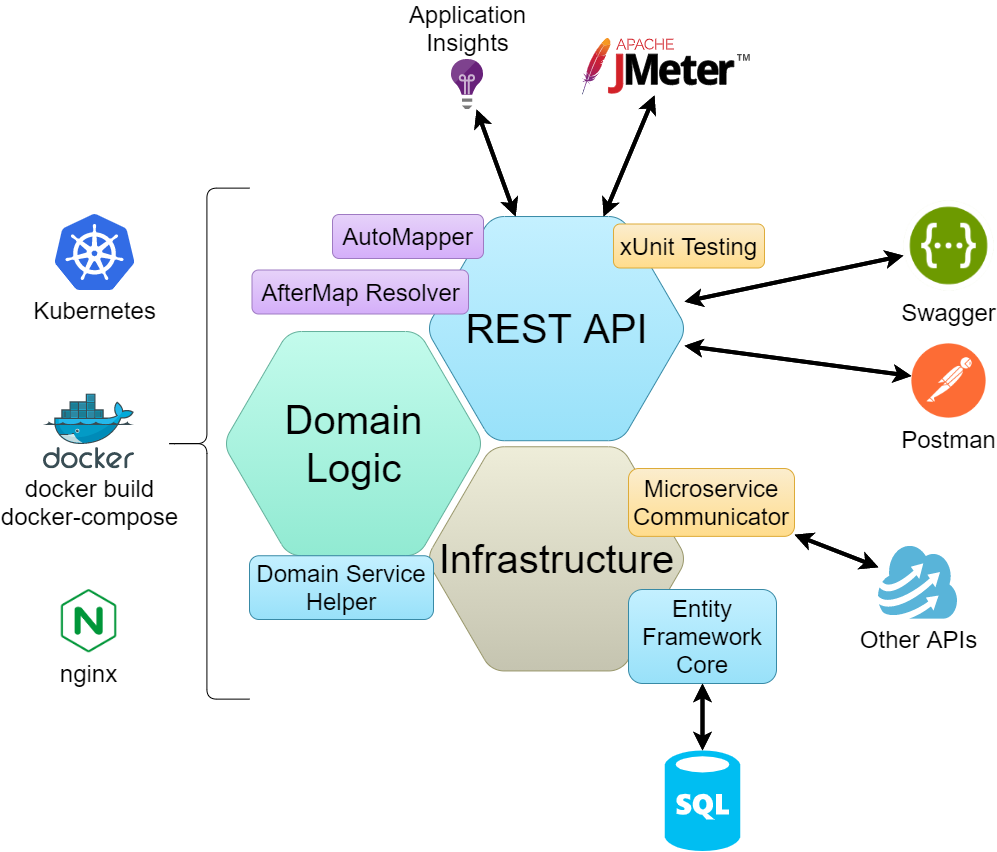
The graphic below provides a visual representation of some of the key components, patterns, and particular technologies we will cover in this series.
The components and patterns are good practice across any Object Orientated tech stack for a Microservice.
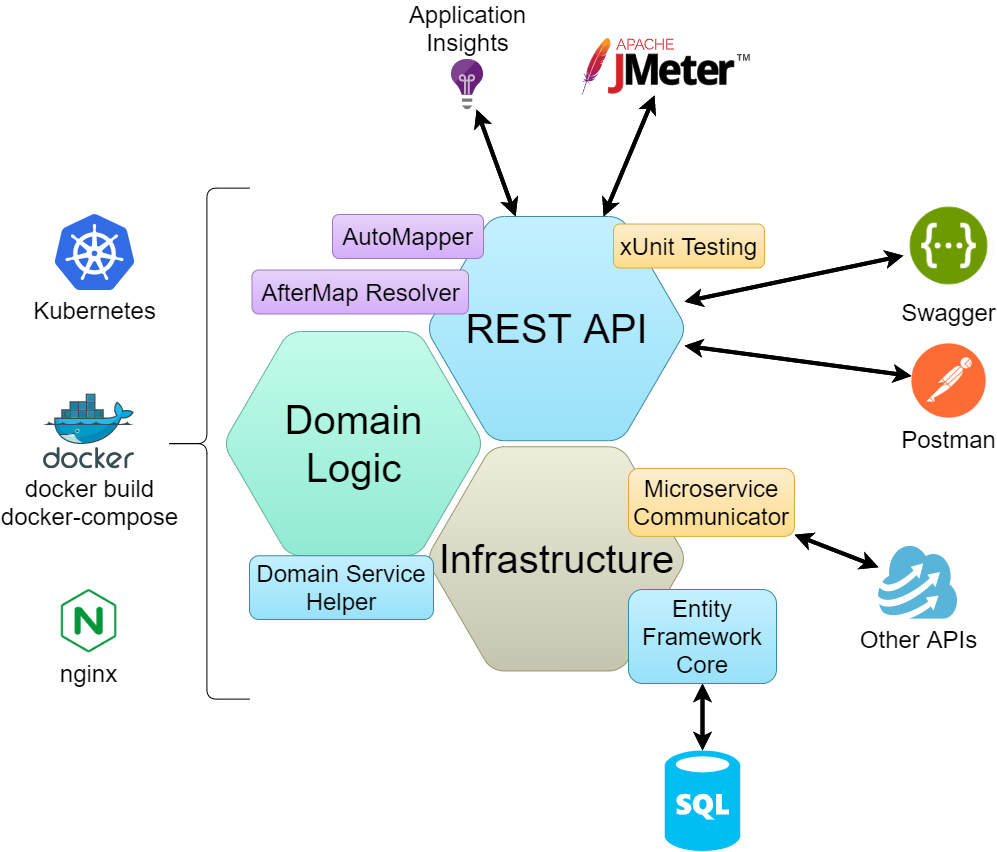
I'm not going to delve too much into these elements right now. As we progress on various topics, we will refer back to this picture to track our understanding and reconfirm how it all fits together.
The main thing to note is the Separation of Concern. It's worth recognizing that having a different Microservice to perform a specific job is an implicit Separation of Concern. The graphic above highlights how a single Microservice also continues this pattern internally.
In future posts, we will discuss in more detail why this is an important principle to follow.